
It is a pleasure to give the pen to Lidia Zuin, co-author of « The Definitive Guide to Thriving on Disruption », for a post on the birth and evolution of what is now called foresight.
More often recognized for his work on death in the west, Georges Minois has proved that history is not only about the past, but also about the present and the future with the publication of “Histoire de l’avenir: Des prophètes à la prospective”. In this book, the French historian builds a retrospective that discusses how we, as a species, have always been curious (if not worried) about the future, and thus trying to foresee it or ultimately prepare for it.
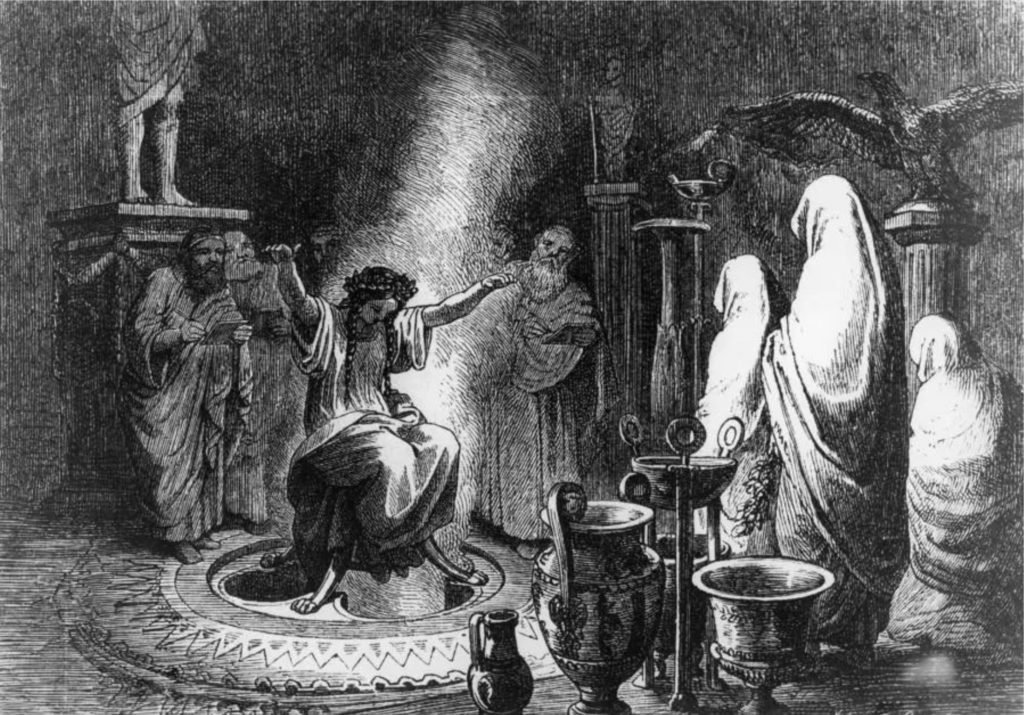
Minois goes back to Ancient Greece, when oracles in Delphi would be consulted for their gifts of envisioning the future. Such insights could be useful both on a personal level and for military ends, as leaders would resort to oracles in times of war. However, on a more philosophical side, Plato concentrated on “The Republic”, a work which was not about the future itself, but was still a visionary source. Such efforts would later inspire Thomas More, who in the 16h century wrote Utopia not as a futuristic treatise either, but as a proposition or even a blueprint of a (future) society, as some readers may take it.
During the Renaissance, scientific pursuits in physics and chemistry co-existed with clairvoyance, astrology, alchemy, and the many -mancies (such as pyromancy or necromancy, for instance), which would be practiced by those who wanted to glimpse the future. It was a time both for mystics such as Meister Eckhart and prophets such as Nostradamus to propose new perspectives and for the Church to persecute those who were considered heretics.
With the Enlightenment, a more rationalistic mindset was established in opposition to what was called the “dark ages or obscurantism”. Still, all these esoteric practices were never really extinguished. Minois mentions how governmental acts attempted to make fortune telling illegal throughout Europe, while leaders such as Napoleon Bonaparte would still keep their own personal psychic. It was common knowledge that the French emperor would make consultations before military campaigns, a fact that makes one realize that fortune tellers were not simply mystic professionals providing entertainment, but rather influential actors in history.
Since such methods were never actually reliable or even scientifically backed, they would eventually achieve a category similar to a hobby. During the Victorian era, not only the United Kingdom experienced a revived interest in Egyptology but spiritualists were also incorporating newly scientific discoveries such as radioactivity or electricity to seance sessions. Just like alchemy was for chemistry and astrology for astronomy, scientific pursuits evolved alongside mystic experimentation in the common interest of explaining the world.
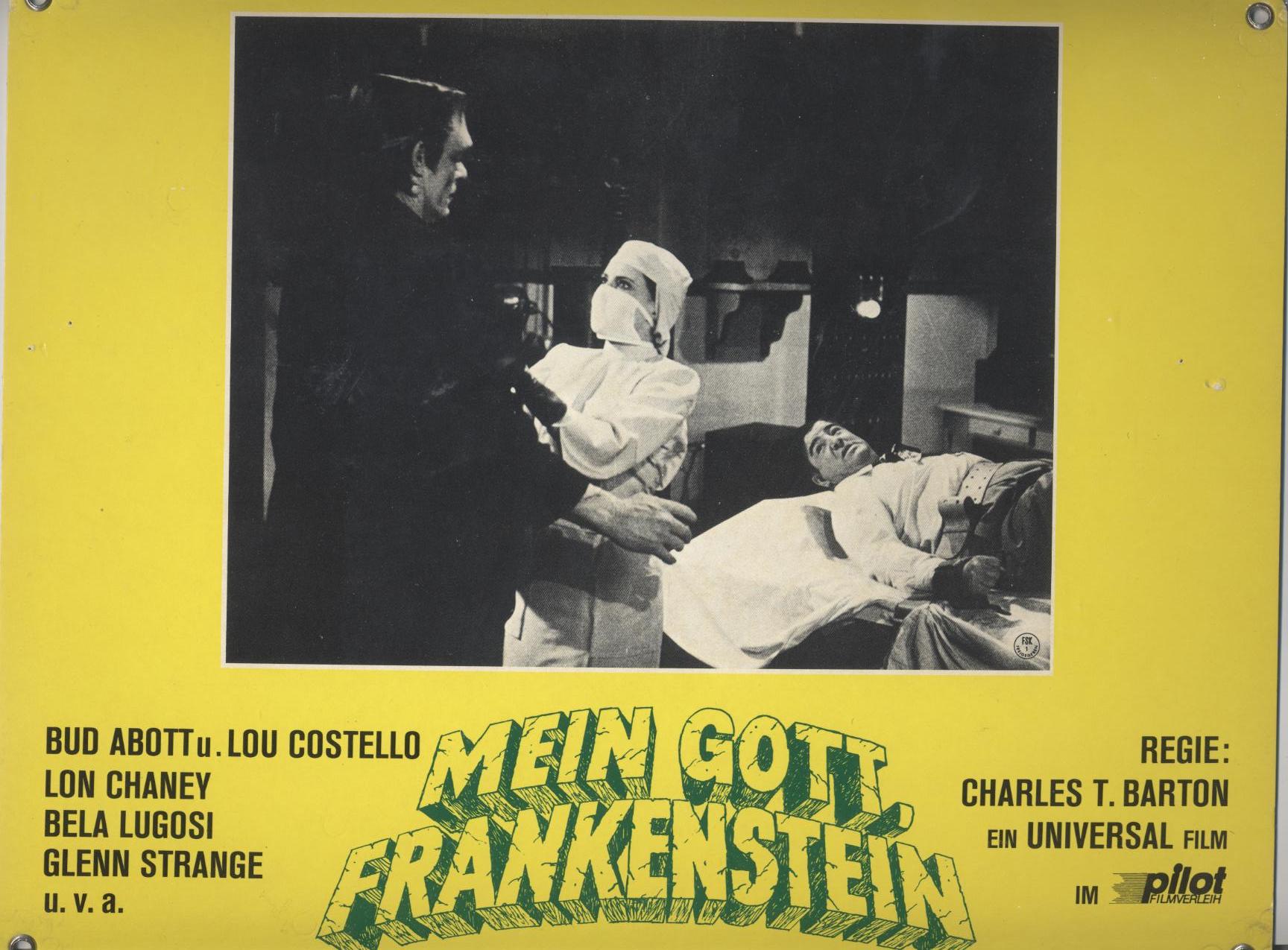
With the coming of the industrial revolution in the 19th century, Mary Shelley inaugurated science fiction with the promethean cautionary tale Frankenstein (1818) while, in the US, Scientific American started to publish stories about the future as a complement to their reports on “new inventions, scientific principles, and curious works”. In Germany, Marx and Engels wrote The Communist Manifesto in proposition of a new viewpoint for society and economy, whereas Jules Verne envisioned aerial, underwater, and interstellar means of transportation.
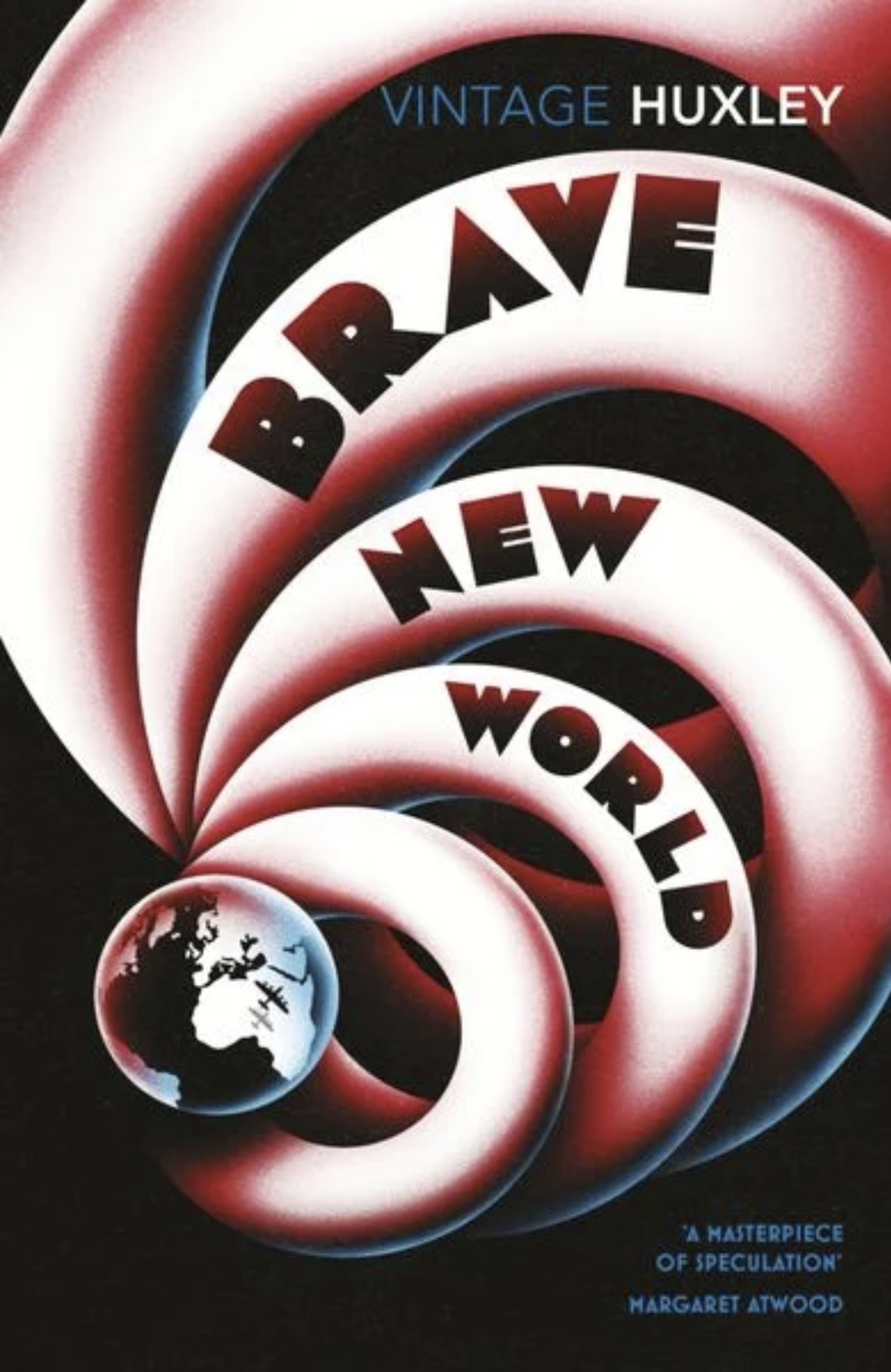
What Minois suggests is that in times of disruption, such as the industrial revolution, narratives are a valious resource to assess and acknowledge reality. It is no wonder that the 20th century has thus gifted us with dystopias such as Brave New World, We and 1984, which imagined the developments of contemporary emerging technologies and scientific pursuits.
However, while science fiction authors were using art to communicate an idea, a possibility of a future scenario, philosophers and ideologists were doing mostly the same but from a more propositive way, whereas scientists were taking a more practical approach with research and experimentation.
Futures studies, or more specifically called futurology, was then proposed by Ossip K. Flechtheim in the 1940s, as an attempt to conciliate all these influences into a discipline that would encompass “the destiny of man, the future of his society, and the tomorrow of his culture, it must deal not only with his prospective biological and psychological evolution, but also with the entire range of his future cultural activities.”
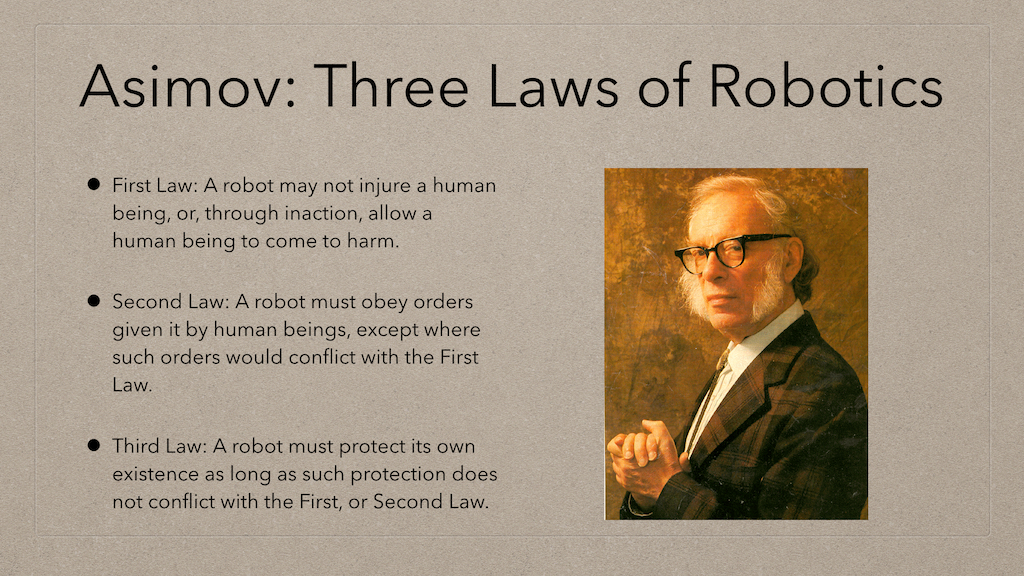
It was a very symptomatic move if you consider that there were people such as Arthur C. Clarke writing grandiose stories about space exploration while also developing geostationary satellites in the lab. Same goes for Robert Heinlein’s political experimentations in science fiction and Isaac Asimov’s structuring of the Three Robotic Laws, a proposition that is still influential today, as much as it was zeitgeisty in the period as the Macy Conferences developed cybernetics as a new field.
The foundation of The World Futures Studies Federation in 1967 thus represented a further step into the institutionalization of the discipline. Its ideas would culminate and spread through Alvin Toffler’s Future Shock (1970), while in academia Hans Jonas’ proposed comparative futurology. From then on, Silicon Valley and big tech companies such as Microsoft and Apple opened up a new era for futures thinking and practicing. Technology and futures thinking was growing so normalized to the point that Ray Kurzweil would suggest that we would ultimately (and soon) reach what he called singularity.
Today, having historians such as Yuval Noah Harari, who specialized in medieval history, talking about the future and making such bold propositions as seen in Homo deus only reinforces Minois’ efforts to consolidate a “history of the future”. After all, futures studies are not solely concerned with identifying trends for strategic planning, but also reflecting on the long-term impact of human action from a perspective that encompasses the past, the present, and what is thought about the future.
Future is therefore an ever-changing concept that must be constantly assessed and uncovered, as it may appear in many forms such as fiction, ideology, art, scientific research, and technological innovation. Consequently, futures studies is an attempt to formalize a concern that has been present in humanity since its very beginning: the idea of the future and the expectations for it.
It is for the sake of balancing up these two powerful forces that futures studies practitioners and thinkers should rely more often on history for a comprehensive and contextualized perspective about what we are and what we wish to become. Not simply because history is presumably cyclical, but because knowing its mechanisms could ultimately be effective when assessing the future.