


- Versión original en castellano
- Article en français
A special thanks to my partner at Heated Studio, Rohit Gupta, for his invaluable collaboration in bringing these ideas to life. My appreciation to Justin Pickard for his keen editorial eye and thoughtful review of the English version of this piece.
1986. The World Cup. Our Diego—Maradona—carves his legend at Mexico City’s Estadio Azteca with the “Hand of God.” To outsiders: cheating. But for us Argentines? A subversive masterpiece.
Because what defines us isn’t grit, but viveza criolla: that ability to improvise, twisting situations to their breaking point, even when the odds are against us.
This cultural trait runs deep. From colonial plunder to 21st-century hyperinflation, survival demands constant reinvention.
«An Argentine often lacks moral conscience, but not intellectual conscience;
being seen as immoral stings less than being branded a damn fool.
Dishonesty, as we know, wears the crown of viveza criolla.»
Harsh? Perhaps. But Marcos Aguinis – in El atroz encanto de ser argentinos, Volumen 1 – , another Argentine writer, nails the context: viveza criolla is a product of crisis—a survival logic honed in the vacuum of effective governance, where everyone’s scrambling solo, yet somehow keeping the whole rickety system afloat.
In a world confronting economic fault lines, social fractures, and an unravelling climate, this improvisational ingenuity offers more than just lessons—it rewires resilience, turning survival tactics into protocols for innovation.
Patch Notes for a Broken System
Today, viveza criolla is a way to hack the system—thinking fast and rapid-prototyping workarounds.
A prime example is the ever-present contacto—not just a contact, but a lifeline: the compadre with a friend at the civil registry, a cousin’s tip-offs, or your neighbor’s “one weird trick” for filing paperwork without wasting an entire day.
This peer-to-peer network is a daily manifestation of viveza criolla—a way to trick time and outmaneuver a system’s brittle architecture.
Call it “adaptive intelligence”—that knack for spotting opportunities where others hit walls. However, Marcos Aguinis warns us of this mindset’s darker side:
«It’s an Argentine custom with antisocial effects,
leaching resentment and poisoning mutual respect.»
Viveza criolla, then, is double-edged. It can spark innovation—we see it in every crisis, when we Argentines find ways to push forward, improvising with whatever the moment offers, cobbling together make-do hustles and rebooting street-corner enterprises overnight. Yet left unchecked, this same ingenuity can curdle into raw opportunism.
Maradona’s « Hand of God » remains perhaps its purest expression—a transgression turned national myth. For many Argentinians, this was a stroke of genius; for others, a betrayal of the game. Perception pivots on whose rules you’re bending—what some see as resourcefulness, others see as deceit.
As part of the Post-Corralito generation, I’ve seen how viveza criolla, tempered by collective ethics, can be a crucial advantage. In an ever-changing world, this isn’t just about adaptation or quick solutions—but how to rewrite the rules mid-game.
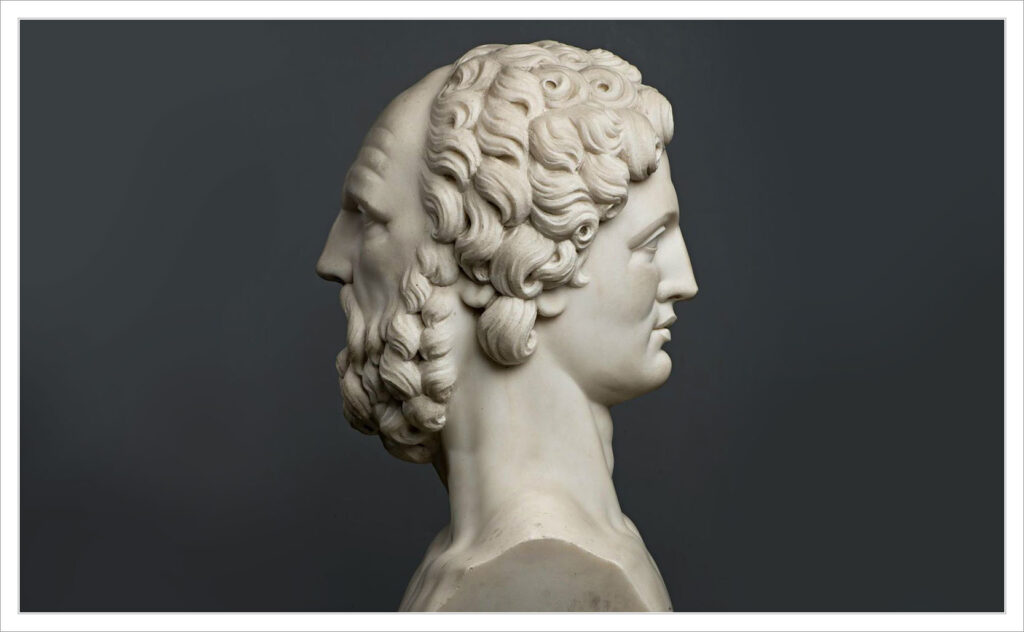
Tying Everything with Wire: Creativity Forged in Scarcity
This adaptability isn’t just about individual cunning—it’s how we Argentines solve everyday problems with whatever’s to hand.
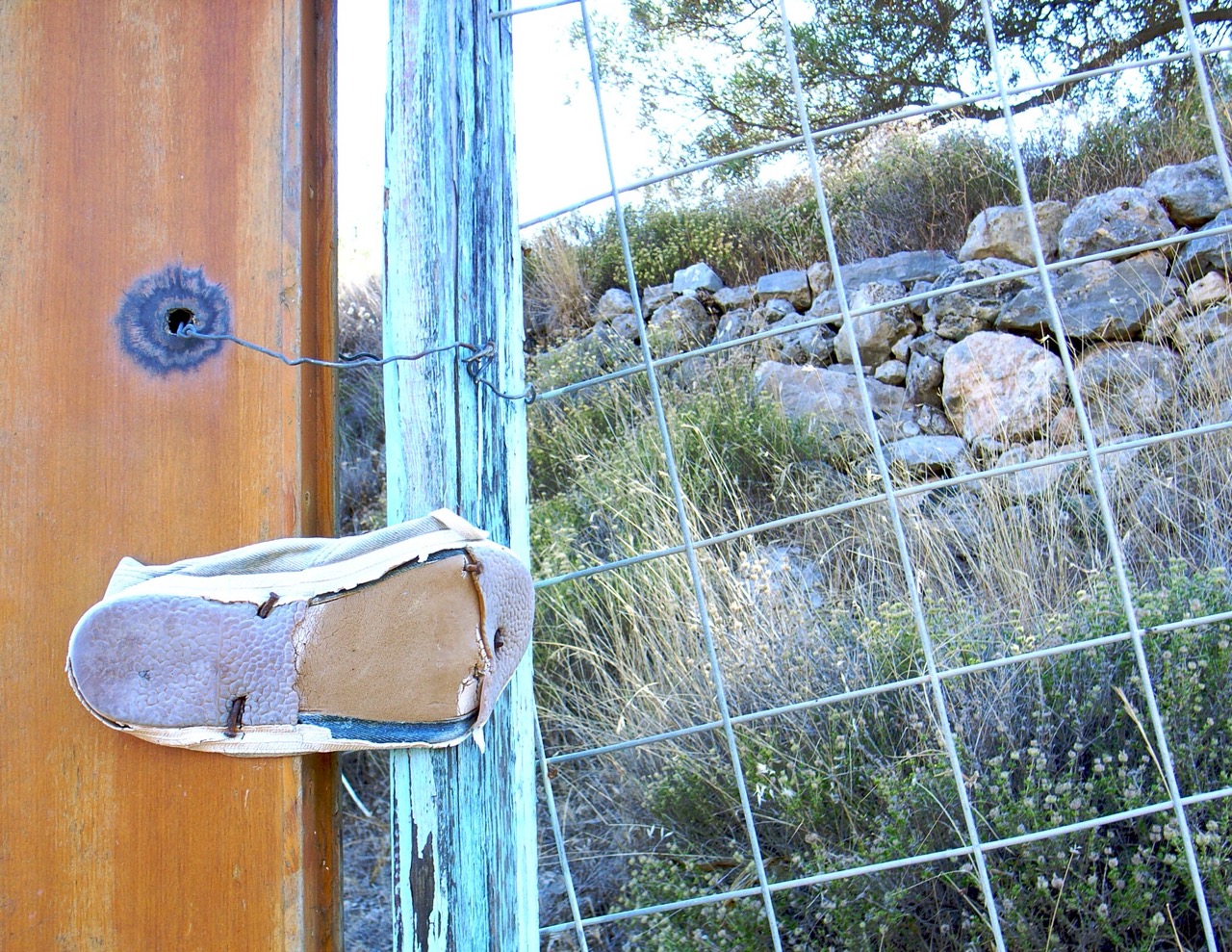
This is the art of ‘atar todo con alambre‘—tying everything with wire.
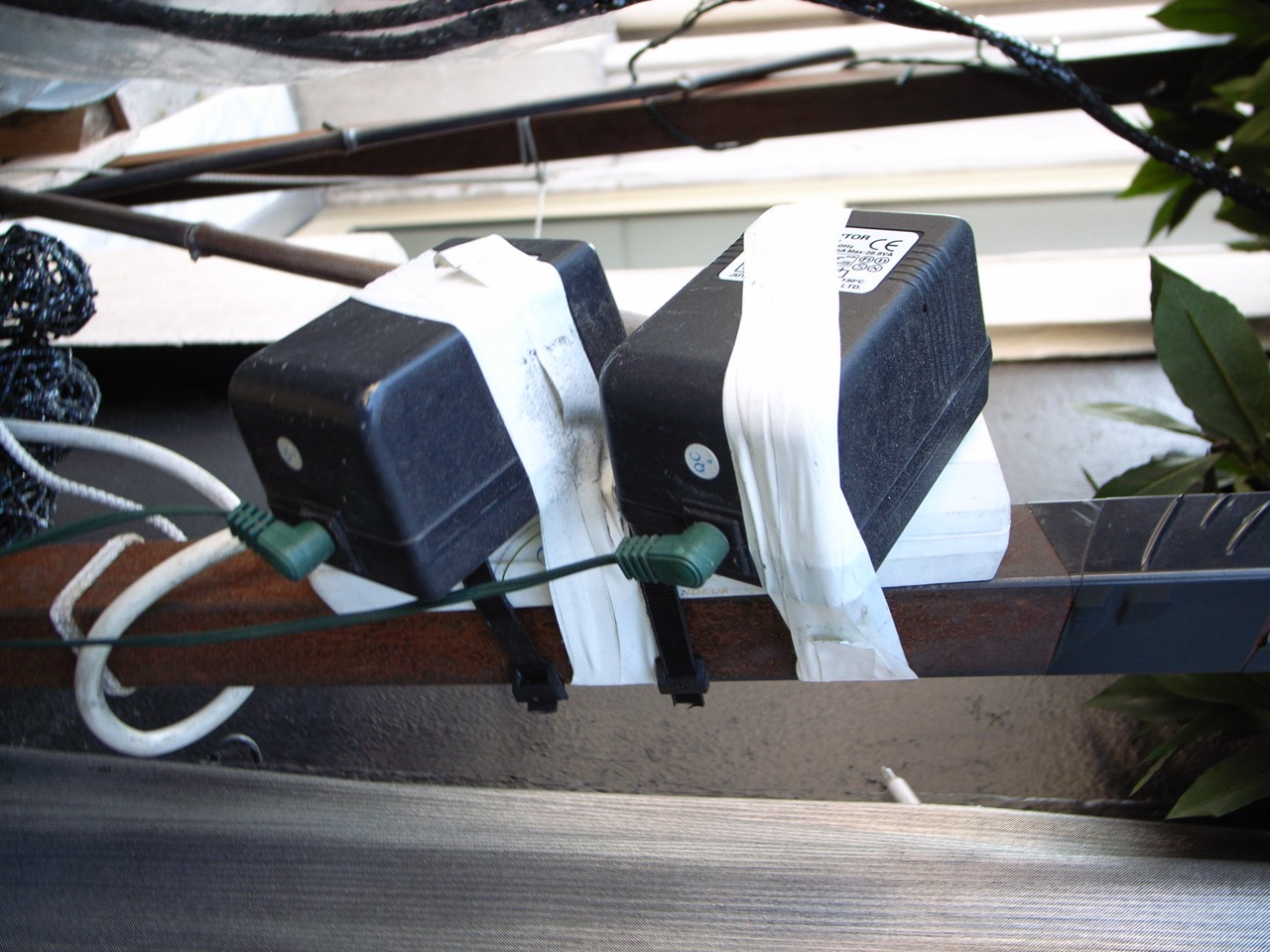
Never the perfect fix—but in times of crisis, enough to keep things running. You see it everywhere: sockets jury-rigged with electrical tape, chargers patched with zip ties, makeshift plumbing connections that somehow hold fast—defying logic, gravity, and municipal codes.
When systems fail, a temporary patch buys a little more time. Risky? Sure. But this is the make-do mindset in action—creativity applied as a stopgap in contexts with limited resources.
Bernardo Kliksberg—the Argentine economist who demystified Latin America’s informal economies—highlights these grassroots improvisations – this concept appears in several of his lectures, articles and books, particularly his work ‘People First‘. » – as “social innovation born of necessity”, parallel systems challenging top-down development and bypassing broken institutions. This mindset parallels Indian Jugaad—a celebrated (if contested) practice of frugal ingenuity—but roots it firmly in Latin America, where improvisation emerges not from tradition or cultural pride, but systemic instability.
“Atar todo con alambre” epitomizes a society’s pragmatic adaptability, turning constraints into scaffolding. However, in highly structured societies—Switzerland, Nordic nations—where stability and social safety nets offer refuge from uncertainty, this skill is less common.
As an Argentine in Europe, I’ve seen this firsthand: the absence of the need to improvise can, paradoxically, become a vulnerability—rigidity parading as order, until crises demand reinvention, and systems crack.
In a world where even stability is provisional, the ability to bend scarcity into advantage isn’t just useful—it’s social resilience, Argentine-style.
the absence of the need to improvise can, paradoxically, become a vulnerability—rigidity parading as order, until crises demand reinvention
Futures Bound by Wire: Creativity as a Response to Collapse
Mapping present-day cultural practices isn’t just a way to anticipate the future, but can surface alternatives to dominant narratives. As Nicolas Nova argues in “Futures? The Breakdown of Technological Imaginaries”, many futures are trapped in tech-centric models that sideline human adaptability.
many futures are trapped in tech-centric models that sideline human adaptability
In this sense, Argentine creativity—embodied in viveza criolla and the art of “Atar todo con alambre”—offers an alternative: not waiting for ideal conditions, but hacking a path forward, rewiring hope with whatever’s to hand.
From lone-wolf improv to organised collaboration—that’s the leap. Can we wire together a network that holds? As frugal innovation pioneer Navi Radjou insists – A synthesis of the concept that Radjou discusses at length in works such as Frugal Innovation and Jugaad Innovation – :
The true potential of frugal innovation lies in its ability to reinvent the environment, not just through technology, but through human creativity.
In this task, collaborative networks are essential. But such networks aren’t engineered; they’re assembled over time—a wire mesh handwoven from contactos and code.
To imagine a future where this mindset integrates with advanced technologies like artificial intelligence demands new capabilities—not just programming skills, but the knack for bending technology to human desires.
Not just adopting digital tools—but combining them with the tactical ingenuity forged in scarcity’s crucible.
This fusion births patchwork solutions—improvised-yet-elastic systems well-suited to the uncertainties of the 21st century, paving the way for those who take up the role of Creative Alchemists—part Maradona, part cartonero—transmuting scrap into gold.
Approaching the Future as Creative Alchemists
In times of uncertainty and constant change, adaptability, creativity, and frugal innovation aren’t just survival tools—they’re key ingredients for designing resilient futures. And these skills aren’t tied to a specific place or culture.
As an Argentine and an Indian operating within Europe’s design orthodoxy, my collaborator Rohit Gupta and I have seen how improvisation and applied creativity can make a difference—reconfiguring environments paralysed by planning and stability. Through our work as Heated Studio, we fuse this mindset with frugal innovation, technological tools, and strategic design processes.
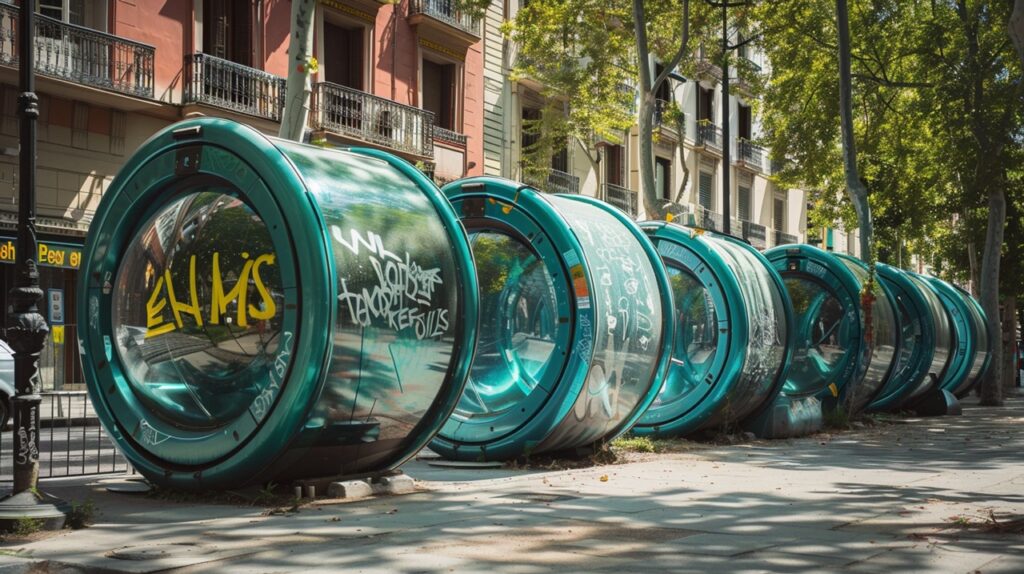
Take Madrid, where heat waves are becoming increasingly frequent, and ever-more-extreme. We imagine cooling pods as urban oases: modular structures integrated into the city’s everyday landscapes—plazas, bus stops, the cracks where bureaucracy overheats.
Or consider Desert Athleisure—a speculative sportswear line designed to keep people cool while exercising outdoors, reimagining functionality for residents training under 45°C urban infernos.
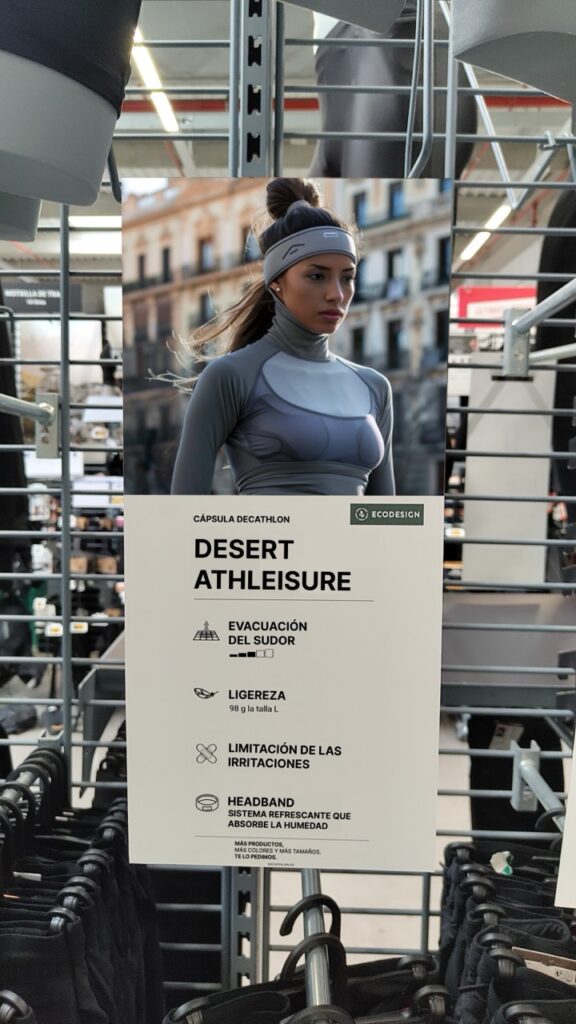
Our method? Fusing the Creative Technologist’s rigor with the patchwork pragmatism of a Creative Alchemist.
This isn’t just innovation—it’s alchemy, rewiring the status quo.
Transmuting scarcity into scaffolding, restrictions into blueprints. In a world of crossed futures, flexibility, intuition, and radical experimentation aren’t just ideals—they’re lived practices, etched into our shared repertoires.
This isn’t just innovation—it’s alchemy, rewiring the status quo.
Et vous, qu’en pensez-vous ?
N’hésitez pas à :
1. partager votre avis ?
2. nous laisser un petit mot ?
3. rédiger un billet ?